
The Silent Damage of Stress: What It’s Really Doing to Your Body
When I talk to many physicians about the symptoms their patients report, a majority are psychosomatic symptoms brought on by stress. Think about that for a minute. Stress is making you so sick that you are going to a doctor to deal with it. The good news is that learning techniques to decrease your stress can make a big difference. We have a lot of resources for reducing your stress, including everything from deep-breathing techniques to improving your relationships to changing your mindset. If you have trouble managing your stress on your own, our Houston Anxiety therapists can help you in just a few sessions!
Stress is a normal part of life, but when it becomes overwhelming or constant, it doesn’t just affect how you feel emotionally—it also has a powerful impact on your body. From headaches and stomach issues to long-term conditions like high blood pressure, stress can take a serious toll on your physical and mental health.
If you’ve ever noticed yourself getting sick more often during stressful times, struggling to sleep when your mind won’t shut off, or feeling tension in your shoulders and neck, you’ve experienced firsthand how stress affects the body. In this post, we’ll break down exactly what stress does to your body, the difference between short-term and chronic stress, and what you can do to cope in healthier ways.
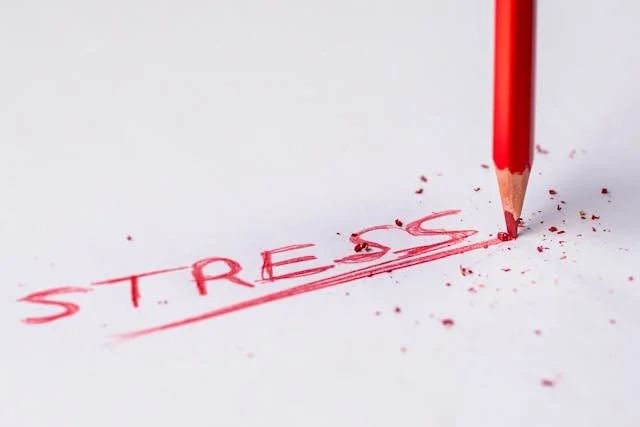
What Is Stress, Really?
Stress is your body’s way of responding to any demand or challenge. When your brain perceives a threat—whether it’s a looming deadline, an unexpected bill, or a difficult relationship conflict—it activates the stress response system, also known as the “fight-or-flight” response.
Your adrenal glands release stress hormones like adrenaline and cortisol. These chemicals prepare your body to either face the challenge or escape it. Your heart beats faster, your breathing quickens, and your muscles tighten.
In small doses, this response is helpful—it keeps you alert and ready to act. But if your stress response is triggered again and again without relief, it can lead to physical wear and tear on nearly every system in your body.

Short-Term Stress vs. Chronic Stress
Not all stress is bad. Understanding the difference between short-term stress and chronic stress is key.
Short-Term Stress
Helps you stay alert and motivated.
Can temporarily sharpen focus.
Usually fades once the stressor is removed (like finishing a work project).
Chronic Stress
Happens when stress continues for weeks, months, or even years.
Keeps cortisol levels elevated, which disrupts normal body functions.
Increases the risk of long-term health problems such as heart disease, diabetes, and depression.
Think of stress like a car engine. Short-term stress revs the engine to help you accelerate through a challenge. Chronic stress leaves the engine running at full speed for too long, causing damage to the parts over time.

How Stress Affects Different Systems in Your Body
1. Your Nervous System
Stress activates the sympathetic nervous system, flooding your body with adrenaline and cortisol. This increases your heart rate, raises blood pressure, and sharpens your senses. Chronic stress, however, can overstimulate your nervous system, leaving you anxious, jittery, or burned out.
2. Your Cardiovascular System
During stress, your heart pumps harder and blood pressure rises. Short-term, this isn’t harmful. But if you’re stressed every day, it can strain your heart and blood vessels, increasing your risk of hypertension, heart attack, and stroke.
Houston therapists often see clients who notice chest tightness, racing heart, or palpitations during stressful periods—clear reminders that stress affects the heart in very real ways.
3. Your Immune System
Your immune system is designed to protect you from illness. But when cortisol stays high for too long, your immune defenses weaken. This makes you more likely to catch colds, infections, and even take longer to recover from sickness or injury.
Have you ever gotten sick right after a stressful week at work or finals in college? That’s your immune system struggling under stress.
4. Your Digestive System
The brain and gut are closely connected. Stress can:
Increase stomach acid, leading to heartburn or ulcers.
Disrupt digestion, causing diarrhea, constipation, or nausea.
Trigger flare-ups of conditions like IBS (Irritable Bowel Syndrome).
Many people in Bellaire and Houston report stomachaches or “nervous stomach” when life gets stressful. It’s not just in your head—your gut really does feel your stress.
5. Your Musculoskeletal System
When you’re stressed, your muscles tense up to protect against injury. Chronic stress keeps them tight all the time, leading to back pain, shoulder stiffness, tension headaches, and even migraines.
6. Your Respiratory System
Stress can make breathing rapid and shallow, especially if you already struggle with conditions like asthma or COPD. Over time, this can make you feel short of breath, dizzy, or panicked.
7. Your Reproductive System
Stress can interfere with hormones that regulate reproduction. For women, it may cause irregular periods or worsen PMS. For men, chronic stress can reduce testosterone levels, sperm production, and sexual performance.

Mental and Emotional Effects of Stress
Stress doesn’t just affect your body—it also impacts your mental health. Chronic stress is strongly linked with:
Anxiety and panic attacks
Depression and mood swings
Irritability and anger
Memory problems
The brain can actually shrink in areas related to memory and learning when stress hormones remain high for too long. This is why people under prolonged stress often feel forgetful or scattered.

Signs Your Body Is Overwhelmed by Stress
It’s not always easy to recognize when stress is harming your health. Here are some warning signs:
Frequent headaches or muscle pain
Stomach problems with no clear cause
Insomnia or constant fatigue
High blood pressure
Frequent colds or illnesses
Emotional eating or loss of appetite
If these symptoms sound familiar, it may be time to address how stress is affecting your body.

Healthy Ways to Manage Stress
The good news: you can take steps to reduce stress and protect your health. Here are some strategies recommended by therapists in Houston and Bellaire:
1. Exercise Regularly
Movement releases endorphins—natural chemicals that reduce stress and boost mood. Even a daily walk in a Houston park can make a big difference.
2. Practice Deep Breathing and Relaxation
Techniques like grounding exercises, meditation, and progressive muscle relaxation help calm your nervous system.
3. Improve Sleep Habits
Create a bedtime routine, avoid screens before bed, and try calming activities like reading or gentle stretching. Here are more tips for improving your sleep.
4. Eat a Balanced Diet
Stress eating is common, but nourishing your body with whole foods gives you more energy to handle challenges.
5. Connect with Others
Talking with supportive friends, family, or a therapist reduces isolation and helps you process your feelings.
6. Set Healthy Boundaries
Saying “no” and managing your workload helps prevent burnout.
7. Seek Professional Counseling
Sometimes stress becomes too much to manage on your own. Therapy offers tools to help you understand your triggers, reframe negative thought patterns, and build resilience.

When to Seek Help for Stress
Everyone experiences stress, but it’s important to seek help when:
Stress is interfering with your daily life.
You feel anxious or depressed most of the time.
Physical symptoms (headaches, stomach issues, fatigue) are constant.
You’ve tried self-care but still feel overwhelmed.
A trained Texas Anxiety therapist can help you build coping skills and develop healthier ways to handle life’s challenges.

Stress Relief in Houston and Bellaire
At Wilson Counseling in Texas, we understand how deeply stress can impact your life. Our compassionate therapists work with clients across Houston and Bellaire to manage stress, improve mental health, and restore balance.
Whether you’re struggling with work stress, family pressures, or just feeling worn out from life, counseling can help you feel more grounded and in control.
Final Thoughts
Stress isn’t just an emotional burden—it affects your entire body. From your heart and immune system to your mood and memory, the impact of stress is far-reaching. But with the right tools and support, you can take steps to manage stress and protect your health.
OTHER THERAPY SERVICES WE OFFER IN HOUSTON, TX
In addition to Anxiety Therapy, we have other mental health services that we offer at our Houston, TX counseling office. Our services are available for adults, children, and teens. We offer Premarital Counseling,Couples Therapy and Marriage Counseling, Divorce Counseling, Infertility Counseling, Perinatal and Postpartum Treatment, Parenting Counseling, Family Therapy, Child Therapy, and Teen Counseling. As well as Eating Disorder Therapy, School and College Counseling, ADHD Treatment, Autism Therapy, Trauma Therapy, PTSD Treatment, EMDR Therapy, Chronic Pain Therapy and LGBTQ+ Counseling. Our caring therapists also offer Career Counseling, and LPC Supervision. All of these services are also available through Online Counseling throughout Texas.