
Cancer Changes More Than Your Body: The Emotional Impact No One Talks About
Many people think of cancer treatment or serious illness as primarily a medical process. But emotionally, people often adapt in ways they barely notice while they are trying to survive it. Illness changes routines, priorities, and relationships with the body—but it can also shape the way people protect themselves emotionally.
These changes are often subtle. And they are often misunderstood.
Our Houston therapists, we frequently see people who wonder why they do not feel like themselves after illness or treatment—even when things may be improving medically. The answer is often more psychological than people expect.

Emotional Survival Strategies During Illness
During periods of fear, uncertainty, or loss of control, the mind naturally tries to protect itself.
These responses are not signs of weakness.
They are often emotional survival strategies.
Some people become intensely independent.
Some stop expressing needs.
Some focus almost entirely on taking care of others.
Some withdraw emotionally to avoid feeling vulnerable or overwhelmed.
Others become highly sensitive to disappointment, criticism, uncertainty, or emotional distance.
Many people shift into emotional protection without consciously realizing it.
During illness, people may quietly adapt by:
Staying strong for everyone else
Avoiding burdening loved ones
Suppressing fear or grief
Remaining relentlessly “positive”
Focusing only on practical tasks and routines
Avoiding emotions that feel too overwhelming
Carrying distress privately
Becoming more self-reliant than before
These strategies can be incredibly important during treatment or a medical crisis.
In many cases, they help people function.
They help people endure.
And sometimes they help people survive.

When Survival Mode Stays Too Long
The difficulty is that emotional survival patterns do not always disappear once the immediate medical crisis has passed. What once helped someone cope may later begin affecting emotional wellbeing in unexpected ways. This can be confusing. A person may look medically stable while still feeling emotionally guarded or disconnected.
They may wonder:
"Why am I still shutting down?"
"Why do I feel so on edge?"
"Why is it hard to relax or ask for help?"
"Why do I still feel like I have to hold everything together?"
These questions are more common than many people realize. Sometimes survival mode lingers because the nervous system has learned to remain alert, cautious, or emotionally protective. The body may no longer be in immediate danger, but emotionally, the person may still be operating as though they must stay prepared, self-protective, or constantly strong. This is not a personal failure. It is often the mind and nervous system doing exactly what they learned to do during difficult circumstances.
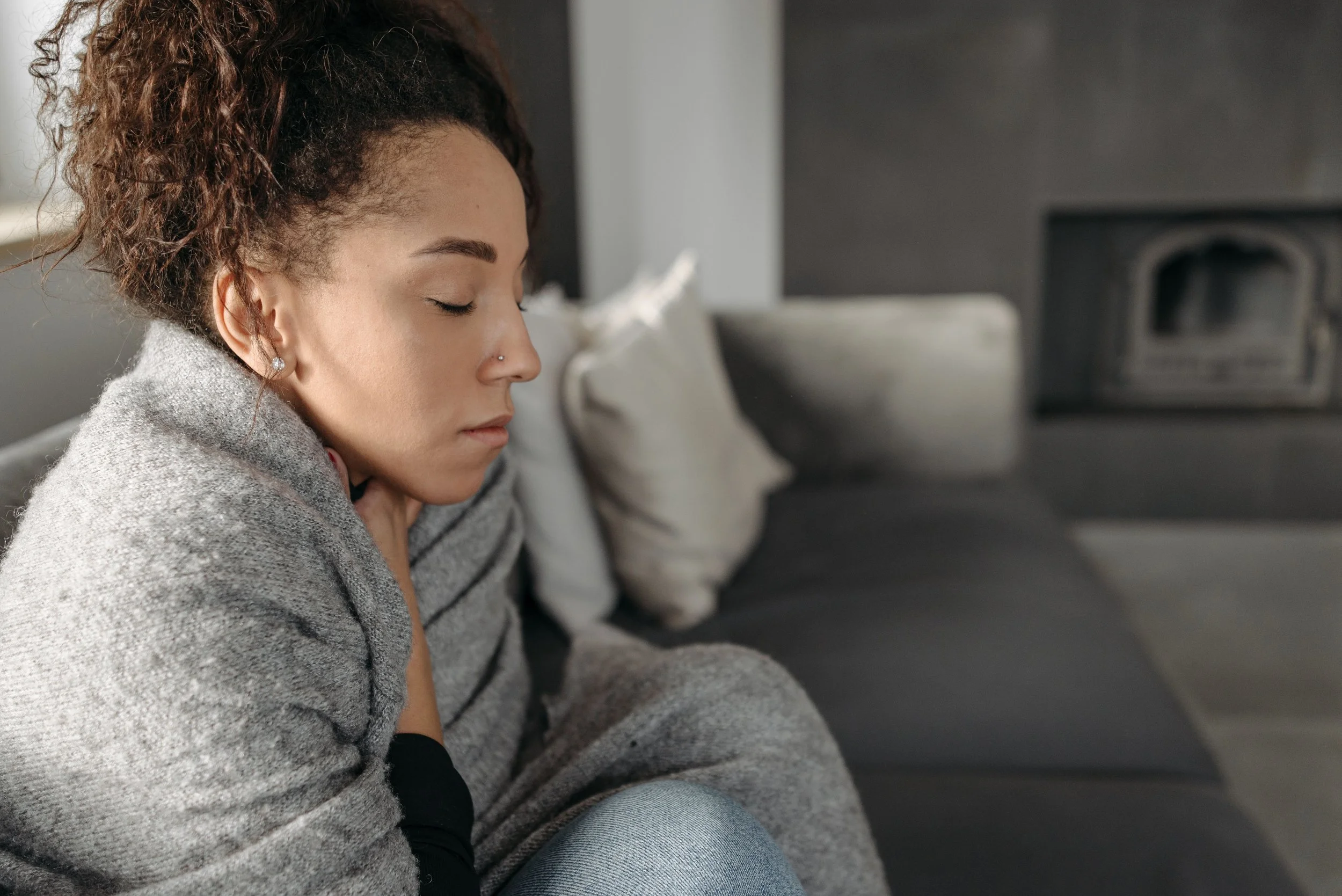
The Hidden Cost of Emotional Protection
Emotional protection can be necessary. But protection can also carry costs when it becomes a permanent way of moving through life. Some people continue protecting themselves long after the crisis has passed.
They may:
Struggle to ask for comfort or support
Feel emotionally guarded or detached
Minimize their own needs
Withdraw when they most need connection
Avoid vulnerability or difficult emotions
Continue acting as though they must carry everything alone
Feel uncomfortable depending on others
Stay busy or productive to avoid emotional discomfort
These reactions are often rooted in strength and adaptation—not weakness. Yet over time, emotional self-protection can become exhausting. People sometimes find themselves feeling emotionally numb, disconnected from their own needs, or uncertain how to slow down and feel safe again. This experience can happen after cancer, chronic illness, surgery, or other major medical experiences. And it often goes unrecognized because people assume emotional recovery should happen automatically once treatment or recovery progresses. But emotional adaptation does not always follow the same timeline as physical healing.

Why Emotional Healing Deserves Attention Too
Physical healing and emotional healing are connected—but they are not identical. Many people devote tremendous energy toward medical treatment, physical recovery, and staying hopeful. Emotional recovery often receives far less attention. And yet emotional wellbeing matters deeply. It influences stress, relationships, coping, daily functioning, and overall quality of life. Recognizing emotional survival patterns does not mean rejecting the strengths that helped someone endure. It means becoming curious about them. Some protections may still be necessary. Others may no longer serve the same purpose they once did. Therapy can help people explore these patterns with compassion rather than judgment. Instead of asking, “What is wrong with me?” people often begin asking a different question: "What helped me survive—and what do I need now?"
That question can open the door to a different kind of healing.

Counseling Support for Emotional Recovery After Illness in Houston and Across Texas
Healing is not only physical.
Sometimes healing also involves recognizing the emotional protections people had to build in order to endure what happened—and slowly discovering whether those protections are still needed in the same way.
Because survival mode and emotional connection often require very different ways of being with ourselves.
At Wilson Counseling, we provide counseling for individuals navigating the emotional impact of cancer, chronic illness, and major medical experiences.
We offer both in-person counseling in Houston and virtual therapy across Texas.

Frequently Asked Questions About Emotional Recovery After Illness
-
Yes. Many people experience emotional changes during or after illness, including increased anxiety, emotional guardedness, hyper-independence, or difficulty relaxing.
-
Survival strategies sometimes continue after medical recovery because the nervous system learned ways of coping that once felt necessary and protective.
-
Yes. Counseling can help people better understand emotional survival patterns, process difficult experiences, and reconnect with emotions and needs that may have been pushed aside during illness.
-
Yes. Wilson Counseling provides both in-person counseling in Houston and virtual therapy across Texas.
OTHER THERAPY SERVICES WE OFFER IN HOUSTON, TX
In addition to Cancer Counseling, we have other mental health services that we offer at our Houston, TX counseling office. Our services are available for adults, children, and teens. For individuals we offer Anxiety & Stress Therapy, Autism Therapy, ADHD Services, Eating Disorder Counseling, LGBTQ+ Counseling, Sports Counseling, and School and College Counseling. As well as Trauma Therapy, PTSD Treatment, EMDR Therapy, and Chronic Pain Therapy. Our caring therapists also offer Couples and Marriage Counseling, Family Therapy, Affair Recovery, Divorce Counseling, Parenting Counseling, Perinatal and Postpartum Treatment, and Infertility Counseling. Career Counseling, and LPC Supervision are also available.
All of these services are also available through Online Counseling throughout Texas.
Reach out today to schedule an appointment with one of our experienced couples therapists in Houston.