
Cancer Treatment Is Over. So Why Don’t I Feel Okay?
There are often three major emotional moments in cancer care: receiving the diagnosis, starting treatment, and ending treatment. Most people expect the end of treatment to feel purely relieving. And sometimes it does. But for many individuals, cancer survivors, and families, the end of treatment can become one of the most psychologically disorienting phases of the entire experience.
This surprises people. After all, treatment is over. The hardest part should be behind them. So why do so many people feel emotionally unsettled afterward? Because recovery is often more complicated than people expect.
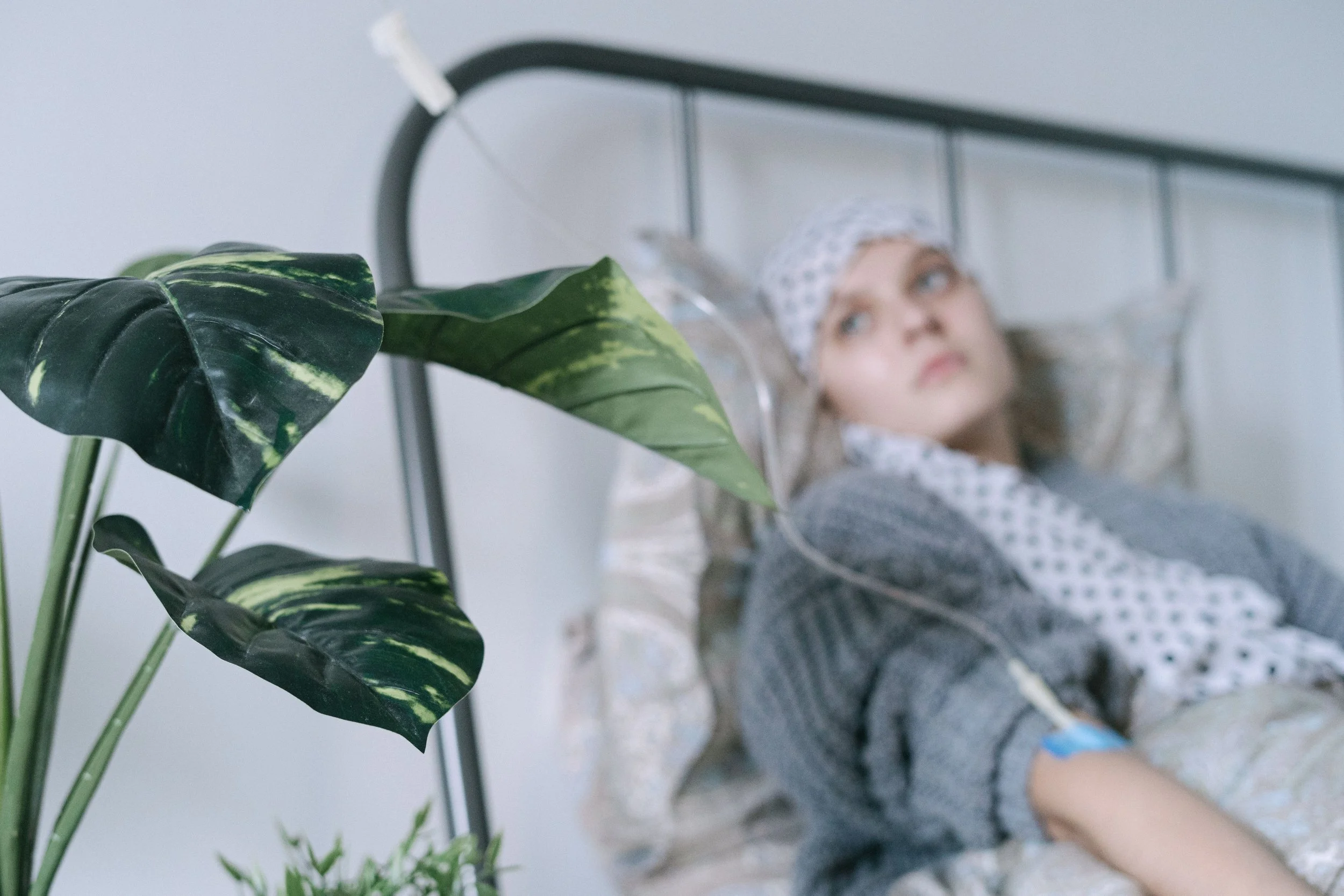
When Survival Has a Schedule
During cancer treatment, life often becomes highly structured around survival.
Appointments. Scans. Medications. Doctors. Routines. Plans. Next steps.
There is a clear focus: keep going.
Even when treatment is physically and emotionally exhausting, there is often a sense of direction. The calendar provides structure. Medical teams provide guidance. Decisions feel immediate and necessary.
People frequently describe this period as difficult—but also strangely focused. There is little room to stop and process. The priority is survival. And that focus can become its own kind of emotional anchor.
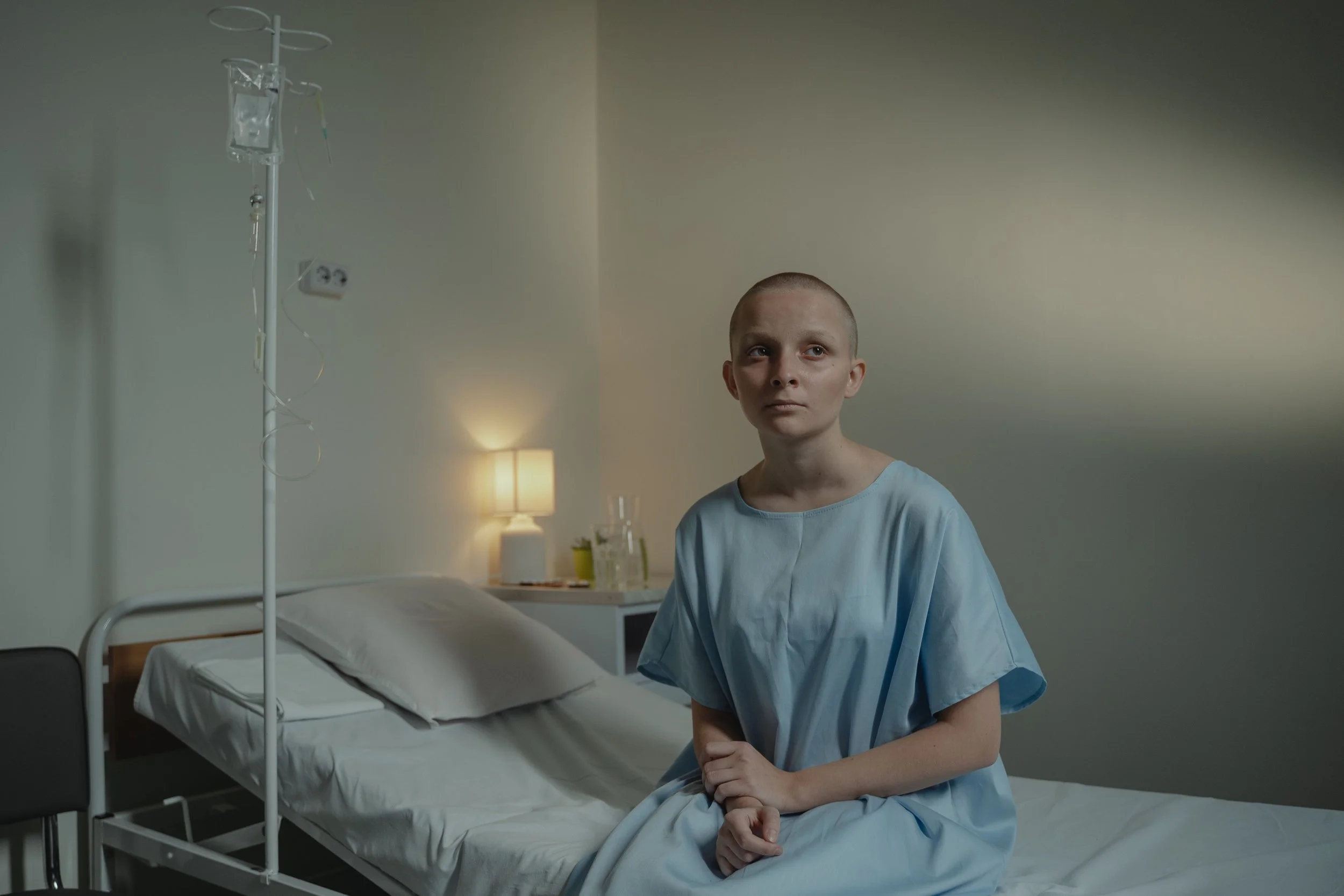
When Treatment Ends and Life Feels Uncertain
Then treatment ends. And many people suddenly find themselves in a very different emotional reality. The structure disappears. Appointments become less frequent. Medical contact decreases. Friends and family often assume things are returning to normal.
People may hear:
"You made it."
"Now you can move on."
"Everything should be getting better."
These reactions are usually well-intentioned.
But internally, many people are left wondering:
"What do I do with myself now?"
"Why do I still feel anxious?"
"Why doesn't this feel the way I expected?"
This phase of cancer recovery can feel surprisingly disorienting. In some ways, it resembles reentry. Like astronauts returning from space, people often discover that coming back into ordinary life is far more complex than expected. Daily routines may look familiar again. But internally, life can feel different. The emotional transition back into everyday living does not always happen automatically.

Why Life After Cancer Treatment Can Feel So Hard
One of the least discussed parts of cancer survivorship is that treatment ending does not always create immediate emotional relief. In fact, for some people, anxiety becomes more noticeable after treatment.
During active treatment, there is often a clear plan. Afterward, uncertainty can feel more exposed.
Many people describe:
Feeling emotionally untethered
Difficulty relaxing
Irritability or emotional overwhelm
Feeling disconnected from ordinary routines
Uncertainty about the future
Trouble concentrating
Feeling emotionally "stuck" or unsettled
Pressure to feel grateful or positive
A sense that something feels different, even if they cannot fully explain it
These experiences are common. And they often remain under-discussed.
Some people begin questioning themselves:
"Shouldn't I be happier?"
"Why am I struggling now?"
"What's wrong with me?"
Usually, nothing is wrong.
The emotional transition following cancer treatment simply receives far less attention than medical treatment itself.
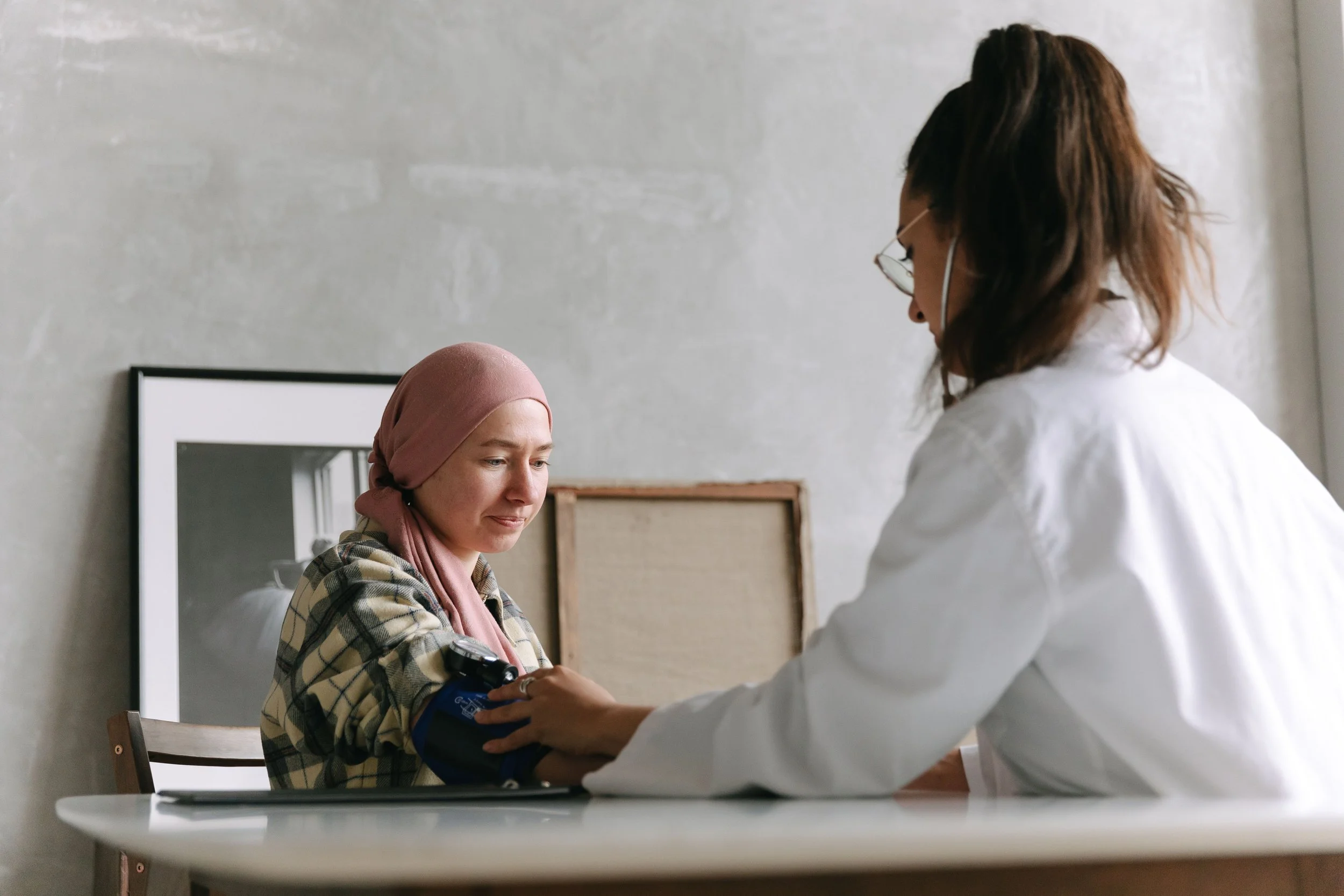
The Pressure to Be “Back to Normal”
Many people quietly feel pressure to return to normal life quickly. Work resumes. Responsibilities return. Others may assume the crisis is over. And because treatment has ended, people may feel guilty admitting they still feel emotionally affected.
But recovery rarely follows a straight line. The expectation to immediately feel "back to yourself" can become its own source of stress. Sometimes people are still emotionally processing experiences they never had time to fully absorb while treatment was happening.
Fear. Uncertainty. Medical trauma. Loss of predictability. Changes in priorities.
The emotional impact of illness does not always arrive all at once. Sometimes it surfaces later—when life finally becomes quiet enough to feel it. This is one reason emotional recovery after cancer deserves attention and care rather than pressure or self-criticism.

Cancer Survivorship and Emotional Recovery
Cancer survivorship involves more than medical follow-up appointments. It also involves adjusting to life after treatment. This adjustment can take time. For some people, survivorship brings relief and renewed perspective. For others, it includes anxiety, emotional exhaustion, uncertainty, or difficulty reconnecting with everyday life. Both experiences can be real. And many people experience some mixture of both.
The emotional transition after cancer is not always visible from the outside. But that does not make it less important. This is the part of recovery that often remains profoundly under-addressed publicly. Medical treatment may be complete. But many people are still trying to understand what life feels like now.
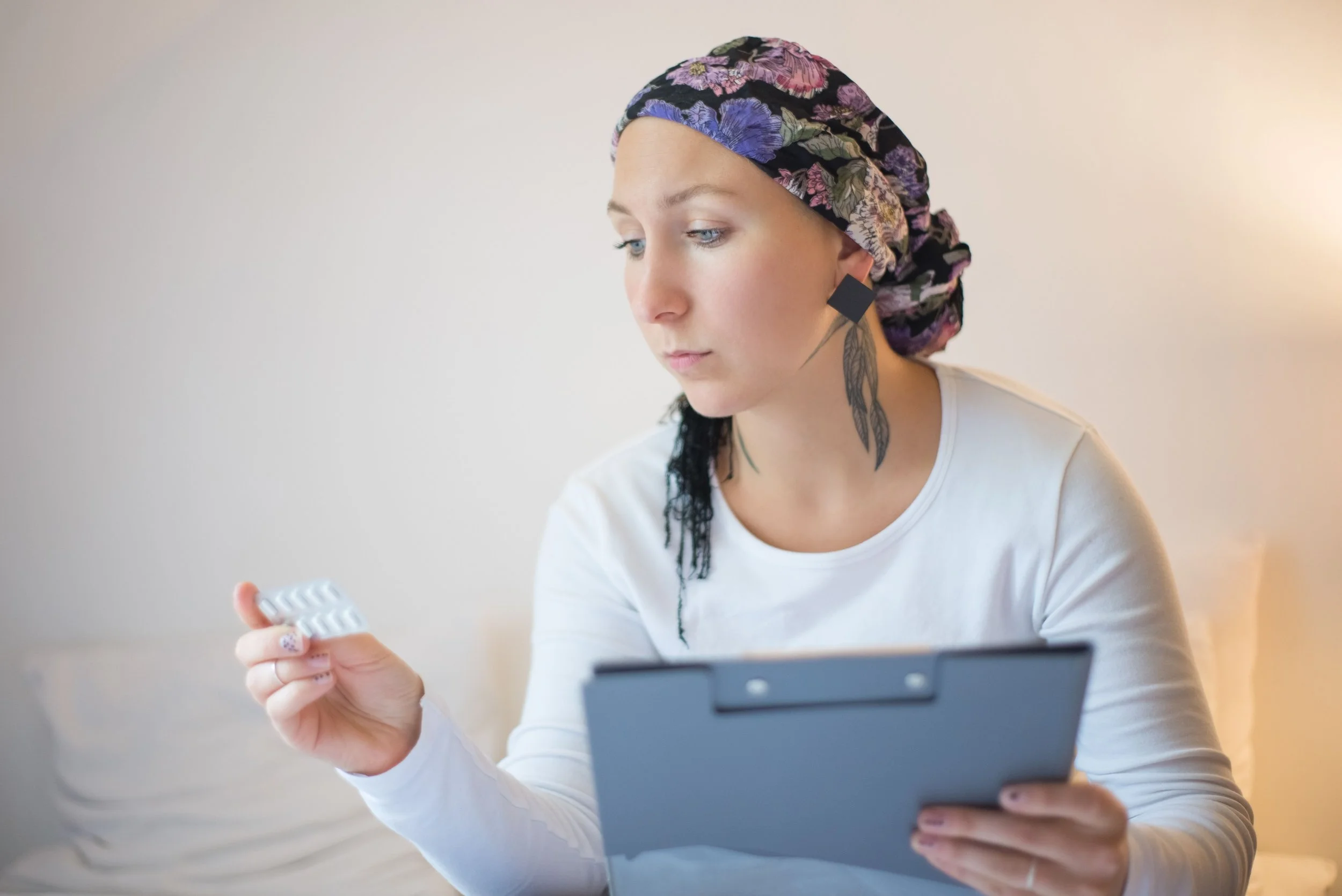
Counseling Support During Life After Cancer Treatment
Therapy is not about telling people how they should feel after treatment.
Instead, counseling can offer a place to process experiences that may still feel emotionally unfinished.
Many people seek support because they want help:
Adjusting to life after treatment
Managing post-treatment anxiety or uncertainty
Processing difficult emotional experiences
Feeling more grounded and emotionally present
Coping with fear or overwhelm
Understanding emotional changes that surfaced after treatment
Rebuilding confidence in everyday life
At Wilson Counseling, we understand that emotional recovery after cancer is deeply personal. There is no single “correct” way to feel after treatment ends. And there is no deadline for emotional healing.
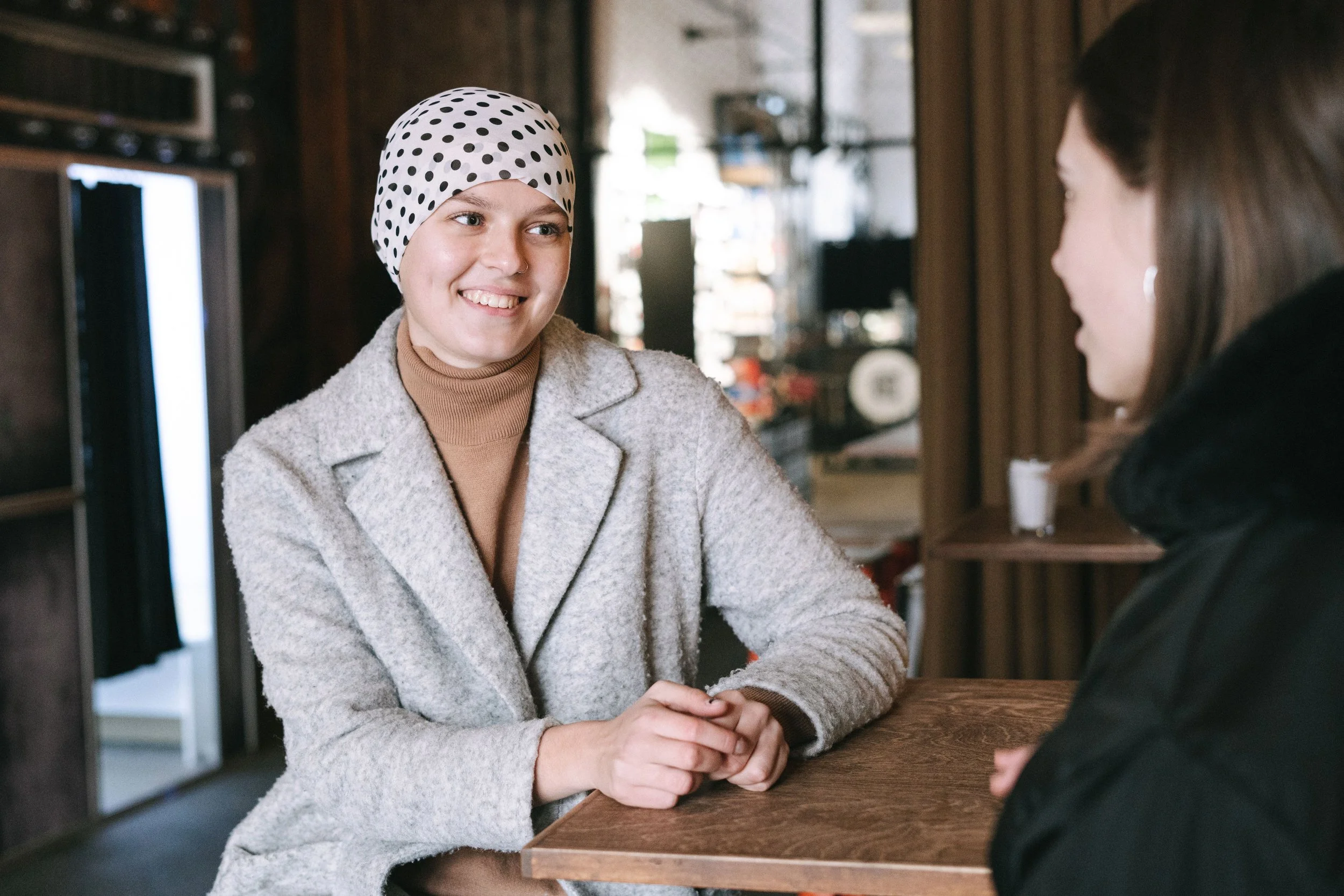
Life After Cancer Treatment Support in Houston and Across Texas
If you are struggling with emotional adjustment after cancer treatment, you are not alone.
Wilson Counseling provides compassionate counseling for individuals navigating the emotional impact of cancer, survivorship, and major medical experiences. We offer in-person counseling in Houston and virtual therapy across Texas.
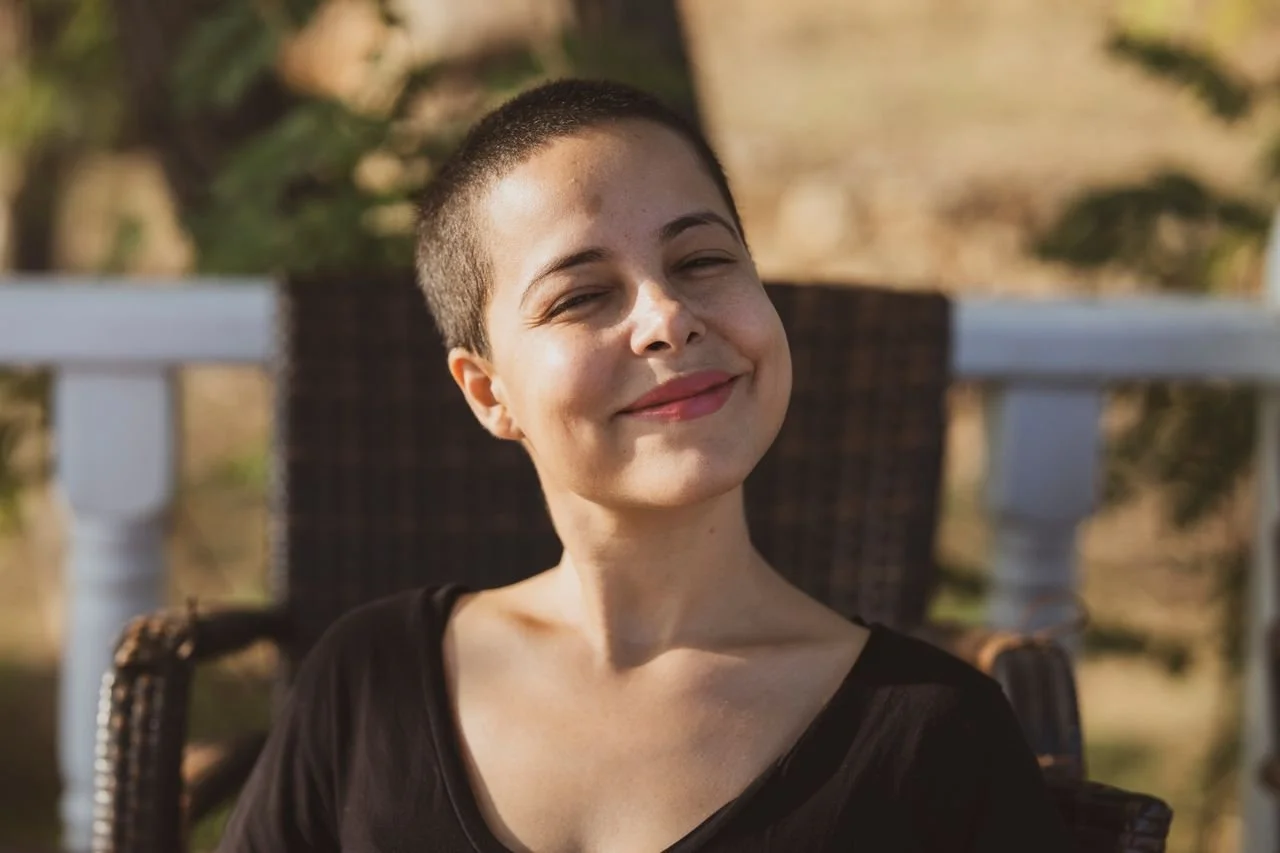
Frequently Asked Questions About Emotional Recovery After Cancer Treatment
-
Yes. Many people experience increased anxiety, uncertainty, or emotional distress after treatment because the structure and support of active care changes significantly.
-
Emotional recovery often follows a different timeline than physical recovery. It is common to continue processing fear, uncertainty, or major life changes after treatment has ended.
-
Yes. Survivorship involves not only physical follow-up care but also psychological and emotional adjustment to life after cancer.
-
Yes. Counseling can help people process experiences, manage post-treatment anxiety, and navigate the emotional transition back into daily life.
-
Yes. Wilson Counseling offers both in-person counseling in Houston and virtual therapy across Texas.
OTHER THERAPY SERVICES WE OFFER IN HOUSTON, TX
In addition to Cancer Counseling, we have other mental health services that we offer at our Houston, TX counseling office. Our services are available for adults, children, and teens. For individuals we offer Anxiety & Stress Therapy, Autism Therapy, ADHD Services, Eating Disorder Counseling, LGBTQ+ Counseling, Sports Counseling, and School and College Counseling. As well as Trauma Therapy, PTSD Treatment, EMDR Therapy, and Chronic Pain Therapy. Our caring therapists also offer Couples and Marriage Counseling, Family Therapy, Affair Recovery, Divorce Counseling, Parenting Counseling, Perinatal and Postpartum Treatment, and Infertility Counseling. Career Counseling, and LPC Supervision are also available.
All of these services are also available through Online Counseling throughout Texas.
Reach out today to schedule an appointment with one of our experienced couples therapists in Houston.